
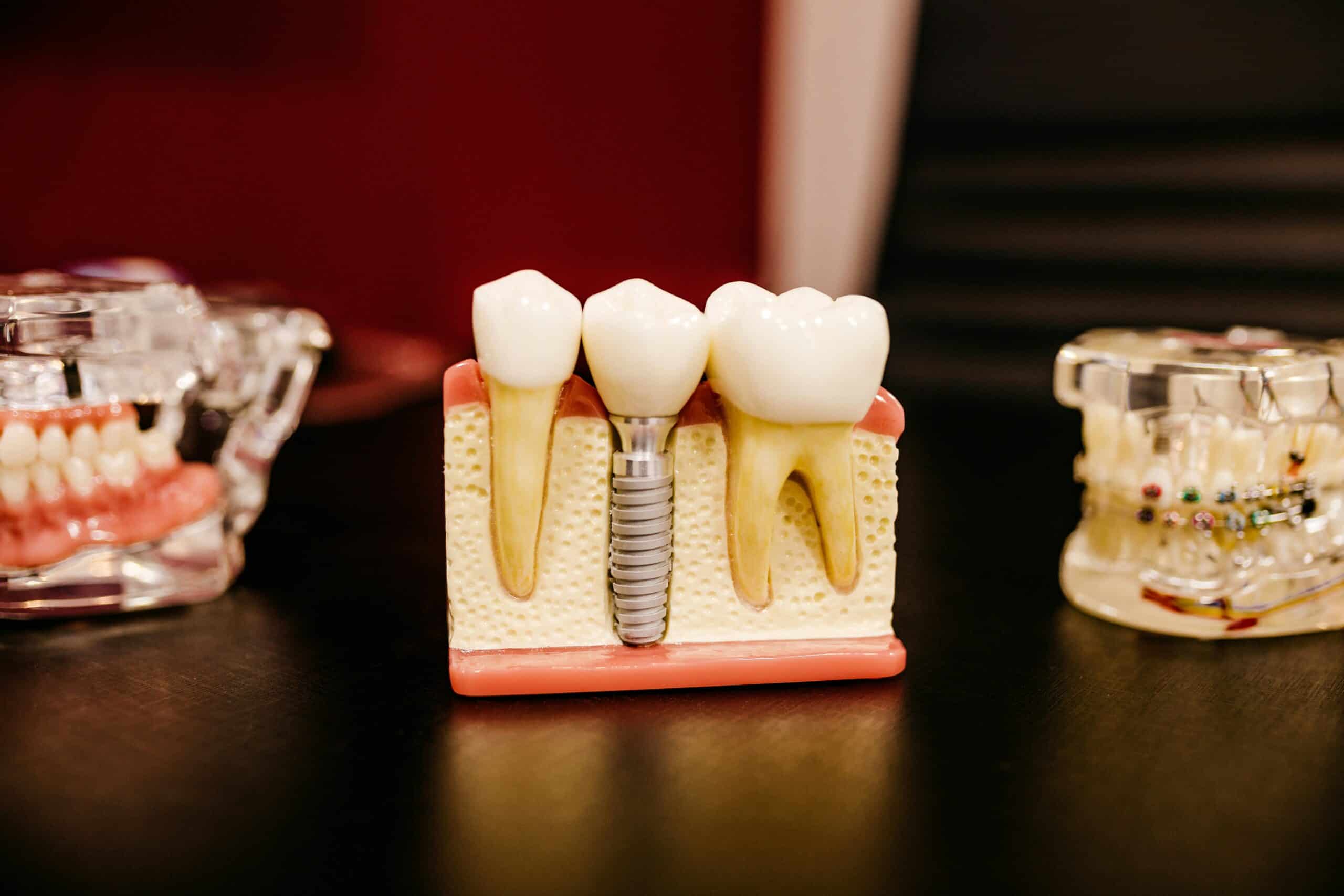
Persistent pain, numbness, burning, or a loose or infected implant after recent treatment is frightening. If you are dealing with altered sensation in your lip, chin, tongue, or teeth, or an implant that has failed to integrate, you may be wondering whether this was an avoidable outcome and what to do next.
This guide focuses on implant-specific negligence, how nerve injuries happen, what evidence matters, and how claims are assessed using independent experts. It also sets out practical first steps you can take today, even if you are travelling or it is a busy period.
If urgent symptoms are present, seek clinical care first. Then preserve evidence and request a free, confidential eligibility review. Dental Law Claims supports clients across England and Wales.
When a failed implant becomes a potential claim
Not every failure is negligence. Implants can fail for reasons that are not anyone’s fault. A claim becomes possible where treatment falls below a reasonable standard and causes injury or loss. Common actionable failings include:
- Poor assessment or planning, such as placing an implant without adequate radiographic assessment or CBCT imaging where indicated.
- Inadequate consent, for example not discussing material risks, reasonable alternatives, or the option of doing nothing.
- Wrong angulation or depth, including impingement on the inferior alveolar canal or perforation of cortical plates.
- Failures in peri-implantitis prevention and management, such as missed red flags, inadequate hygiene instruction, or delayed intervention when infection or mobility appeared.
Typical consequences include persistent pain, loss of integration, recurrent infection, sinus involvement in the upper jaw, or nerve injury leading to altered sensation.
Red-flag symptoms that need urgent attention
Seek urgent dental or medical care via your dentist, an urgent dental centre, or NHS 111 if you notice:
- New or worsening numbness, tingling, burning, electric-shock pain, or altered taste.
- Spreading infection, swelling, fever, or discharge around the implant.
- Severe or escalating pain, bleeding, or trismus.
- Loosening of the implant or prosthesis, or exposure of threads.
After stabilising symptoms, capture evidence and take legal advice promptly.
Immediate steps to protect your position
Early evidence makes a real difference. Practical actions you can take now:
- Start a dated symptom diary noting sensation changes, pain levels, functional problems, and impact on sleep or work.
- Photograph the area regularly, plus any swelling, discharge, or prosthetic issues.
- Keep everything: treatment plans, consent forms, prescriptions, x-rays, CBCT scans, referral letters, and aftercare advice.
- Save receipts for emergency appointments, medication, travel, time off work, and remedial treatment.
- If you are abroad or travelling, obtain local care first, then keep records and invoices for later review.
We can obtain full dental records and imaging from your providers and organise them for expert review.
How breach, causation, and prognosis are assessed
Dental negligence claims turn on three linked questions:
- Breach: did the clinician fall below a reasonable standard in assessment, planning, consent, placement, or aftercare?
- Causation: did that shortcoming cause your injury or losses, as opposed to non-negligent risks or pre-existing factors?
- Prognosis: what is the likely course of recovery and what remedial treatment and future care will be needed?
Independent experts are central. For implant cases, we typically instruct an implant dentist, periodontist, prosthodontist, or oral and maxillofacial surgeon as appropriate. Experts review your history, imaging, operative notes, and outcomes to give objective opinions. Where both sides have experts, joint statements help narrow the issues so negotiations focus on what truly matters.
Nerve injuries from implant treatment
What happens if a dental implant hits a nerve? Contact or compression of the inferior alveolar nerve or mental nerve can cause altered sensation, including numbness, pins and needles, burning pain, or hypersensitivity in the lower lip and chin. In some cases symptoms improve over months, but partial or permanent injury can occur. Timely clinical review, imaging, and in selected cases urgent removal or decompression may be considered by treating clinicians.
How can you prove dental nerve damage? Evidence includes contemporaneous symptoms recorded in your diary, clinical examinations, neurosensory testing, imaging that shows implant position in relation to the canal, and consistent documentation over time. Expert opinion ties these findings to causation and prognosis.
Indicative compensation examples
Compensation reflects pain, suffering and loss of amenity, plus special damages such as remedial care, future treatment, travel, medication, and lost earnings. Figures vary with severity, duration, and impact:
- Transient altered sensation that substantially resolves within months may attract lower general damages.
- Persistent dysaesthesia or numbness with functional and psychosocial impact typically attracts higher awards.
- A failed implant with grafting and replacement needs can include the cost of remedial surgery, prosthetics, and maintenance over time.
These are signposts only. We will provide case-specific guidance after expert review. We avoid overpromising and will explain realistic ranges once evidence is in.
Our process, step by step
- Free eligibility review: complete the short questionnaire and speak one-to-one with specialist solicitor Alex Bodza about your timeline, symptoms, limitation dates, and funding options.
- Records retrieval: we obtain notes, x-rays, and scans from all providers and create a clear chronology.
- Expert instruction: independent implant and oral surgery experts report on breach, causation, and prognosis.
- Letter of claim and negotiation: we set out the allegations and losses, exchange evidence, and consider Part 36 offers. Joint statements may narrow disputes.
- Settlement or litigation: most claims resolve without trial, but we are prepared to issue proceedings where needed.
Most accepted cases can proceed on a No Win No Fee basis using a Conditional Fee Agreement, subject to suitability. We explain success fees, ATE insurance, and disbursements in plain terms before work begins.
Who may be responsible and where to bring a claim
Who is responsible for dental implant failure in the UK depends on where and by whom you were treated. Liability can sit with a general dental practitioner, a specialist, a corporate dental provider, or an NHS body, depending on contracts and employment status. The same negligence principles apply in England and Wales for NHS and private care, though complaint routes and insurers differ.
We act nationwide across England and Wales. If you are looking for experienced representation in the capital, you can read more about our service for dental negligence solicitors in London, or if the issue arose in the Midlands, see our dedicated information for dental negligence solicitors in Birmingham, or for support on funding options you can learn about No Win No Fee in London.
Are dental malpractice cases hard to win?
They can be challenging because success relies on clear evidence and persuasive independent expert opinion. Early action, complete records, and a focused case theory significantly improve prospects. We will be candid about strengths and risks at each stage.
FAQ
Can I sue for a failed dental implant? Yes, if substandard assessment, consent, placement, or aftercare caused the failure and loss. An expert must support breach and causation.
Who is responsible if an implant fails? Usually the treating clinician or provider responsible for planning and placement, sometimes shared if multiple providers were involved.
What happens if an implant damages a nerve? You may experience numbness, tingling, burning, or pain. Prompt clinical review and imaging are important. Some injuries improve, others can persist.
How do you prove dental nerve damage? Through clinical notes, neurosensory tests, imaging showing implant position, a consistent symptom history, and an expert report linking cause and effect.
How much compensation for dental nerve damage? It varies. Awards reflect severity, duration, functional impact, and future care. Precise ranges follow expert evidence and a full loss assessment.
Are dental negligence cases difficult? They require robust evidence and expert support, but a focused strategy and early evidence capture can lead to successful outcomes.
Next steps
If you are experiencing altered sensation, infection, or a failed implant, seek urgent clinical care, then preserve evidence and request your free eligibility review. We offer one-to-one support across England and Wales with clear funding options and independent expert input from the outset.
Internal links:
- Learn about our specialist representation in the capital at dental negligence solicitors in London: https://dentalclaim.co.uk/dental-negligence-solicitors-london
- Read how we support clients in the Midlands at dental negligence solicitors in Birmingham: https://dentalclaim.co.uk/dental-negligence-solicitors-birmingham
- Explore funding options for claims in London: https://dentalclaim.co.uk/dental-negligence-solicitors-london