
What is a Part 36 Offer?
A Part 36 offer is an offer made by either party as a tactical step designed to convince the other party to settle the claim early without the matter having to go to court.
A Part 36 offer is an offer made by either the claimant or the defendant as a tactical step designed to convince the other party to settle the claim early and not take the risk of going to Court.
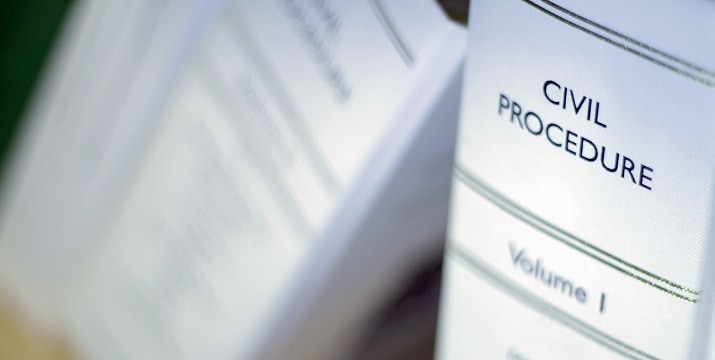
The name comes from the Civil Procedure Rules- the court rules that cover your dental claim. ‘Part 36’ of the Court rules deals with offers made on a ‘without prejudice’ basis, which means any Part 36 offers will not be seen by the Court (if the case gets that far) until after the judgment has been made and an appropriate level of compensation awarded by the judge.
If you receive a Part 36 offer from the other side and you refuse the settlement amount, if the judge at trial awards less than the Part 36 offer then you will only receive the lower amount and could have to pay some legal costs. The After The Event (ATE) insurance policy with Temple Legal Protection covers any costs on your behalf in this type of situation.
A Part 36 offer can be made at any point throughout the duration of claim but, crucially, is made without any admission of liability (i.e. without taking the blame for the poor treatment). The offer must be accepted within 21 days; however, the party making the offer has the right to withdraw it even after the 21 days.
Accepting a Part 36 offer from a defendant
If you are claiming for dental negligence you may receive a Part 36 offer from the defendant, but it is more likely that it will come from their insurer. The offer will come in the form of a letter outlining the amount of money the defendant is offering.
If you believe that a Part 36 offer is enough to compensate you for your injuries and losses, you have 21 days to accept it. If you do accept the offer you can also recover most of your costs (solicitors’ fees for example and any running costs called disbursements such as barrister fees and experts fees) from the other side up until that day. The benefit of accepting the offer is that you usually receive compensation much more quickly (around 14-28 days after the acceptance date).
However, there is a significant downside to accepting a Part 36 offer when a seemingly straightforward injury develops into something worse over time. If you have accepted a Part 36 offer you cannot claim more money for your injuries at a later date, i.e. there is “no second bite of the cherry “which could cause you significant financial losses in the future (i.e. loss of earnings or medical costs).
When a dentist’s insurer makes a Part 36 offer it is not only an effort to save time but also money.
Rejecting a Part 36 offer from a defendant
If you have received a Part 36 offer and do not believe the amount is sufficient to compensate you for your injuries and losses you can choose not to accept it and have your claim heard in court if necessary.
The Judge hearing your case will not be told you rejected a Part 36 offer until after the claim has been settled. If the Judge awards you a compensation amount that is higher than the amount in the Part 36 offer, then the offer will have had no effect on your claim; you will simply receive the amount that the Judge believes you to be entitled to be based on your injuries, your financial losses and costs that you will incur in the future (where relevant).
If the Judge awards you less compensation than the amount that was suggested in the Part 36 offer then you will only be entitled to this lesser amount. The Judge may also order that you pay the defendant’s legal costs from the date of when you could have accepted the Part 36 offer up until the date that you actually accepted it. It is usually the case that your ATE insurance policy will pay these costs but there is a danger that if you are being unreasonable for example by not accepting a reasonable settlement offer -then they may refuse to pay.
If I advise you to make a Part 36 Offer and you refuse to do so, or we receive a Part 36 offer from the other side which I deem to be reasonable and you refuse to accept it, I can end our CFA (no win no fee agreement) and you then become liable for my costs to date.
Making a Part 36 offer as a claimant
A claimant normally has little to gain from making a Part 36 offer save for tactically putting pressure upon the dentist’s insurer to settle your claim. However, if the defendant is delaying the settlement of the claim to an unreasonable extent or is failing to make adequate payment, we may decide to make a Part 36 offer to speed up the process.
If the defendant accepts your offer they should do so within 21 days and will then have a further 14 days to make the payment. If they do not accept your offer you can take the claim to court if necessary.
When you receive a Part 36 offer, you face an important decision about what to do next. This decision will affect how much compensation you receive and could cost you money if you have to pay the other side’s legal costs as a result.
I will try to ensure that you receive as much compensation for your dental injury as possible and will provide you with advice on making and receiving Part 36 offers as and when necessary.
Under my terms of business and the terms of our conditional fee agreement I am entitled to take 25% of your damages as costs and this applies to any Part 36 offers that you receive and also any Part 36 Offers that we make.